1494 — Today

About Bayahibe

A fishing village that has kept its secrets for centuries.

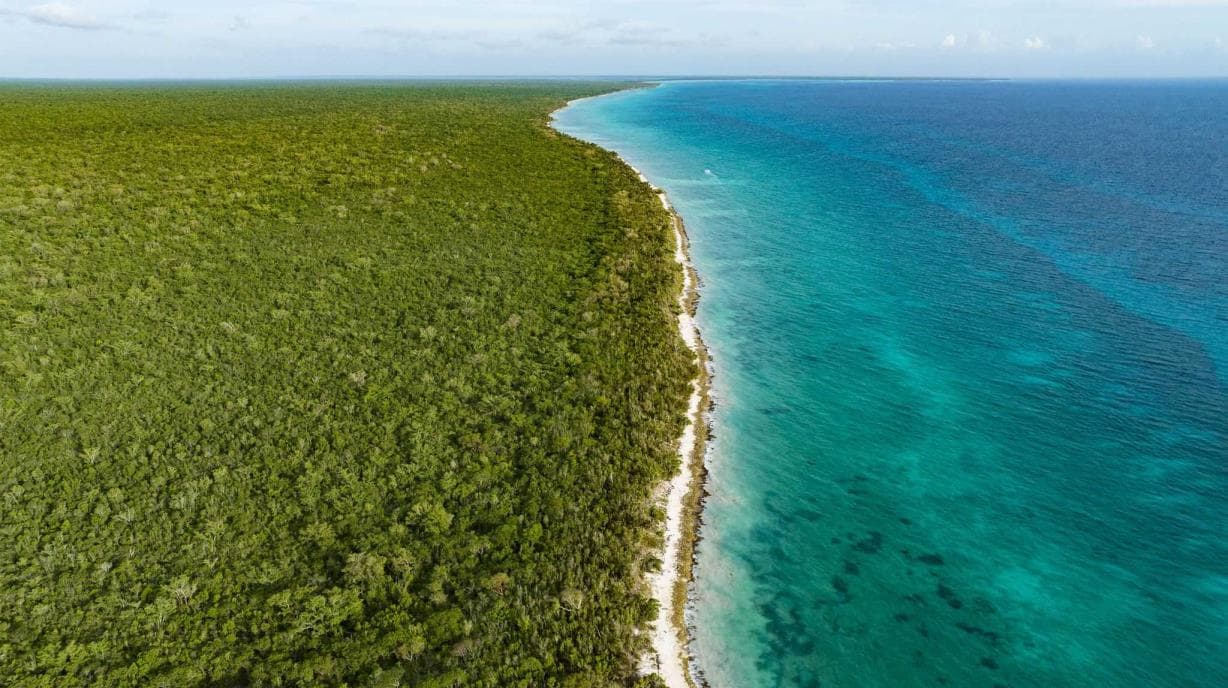
La costa caribeña de Bayahibe en la era precolombina

~900 - 1, 500 AD

The first inhabitants

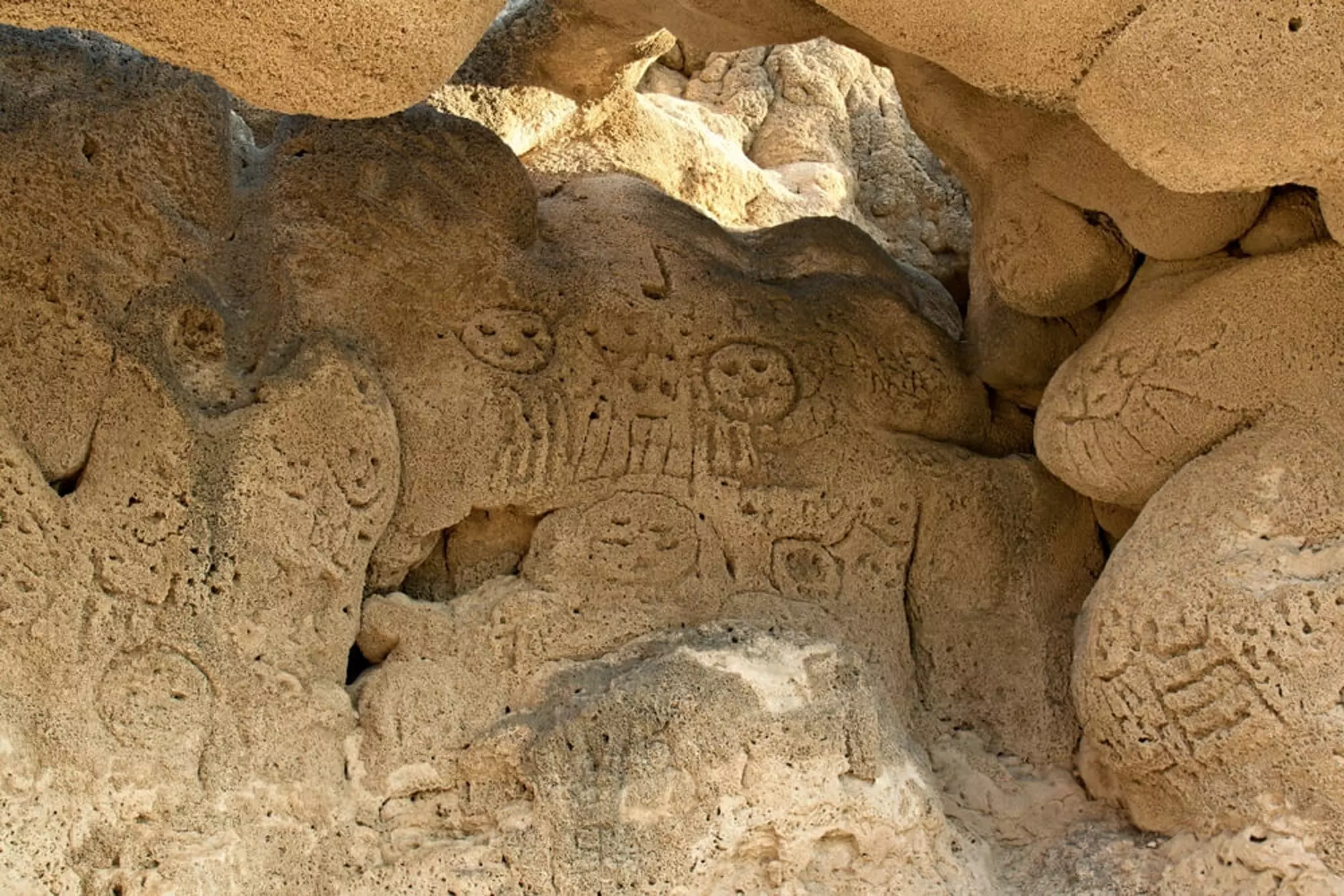
The Taíno people lived on this coast long before any European ship crossed the horizon. The name Bayahíbe comes from their Taíno language: Baya, their word for the bivalve mollusc (like the conch), and Jibe (or hibe), the strainer used to sift cassava flour. They chose this spot well: freshwater springs, a sheltered bay, reefs full of fish. It had everything.
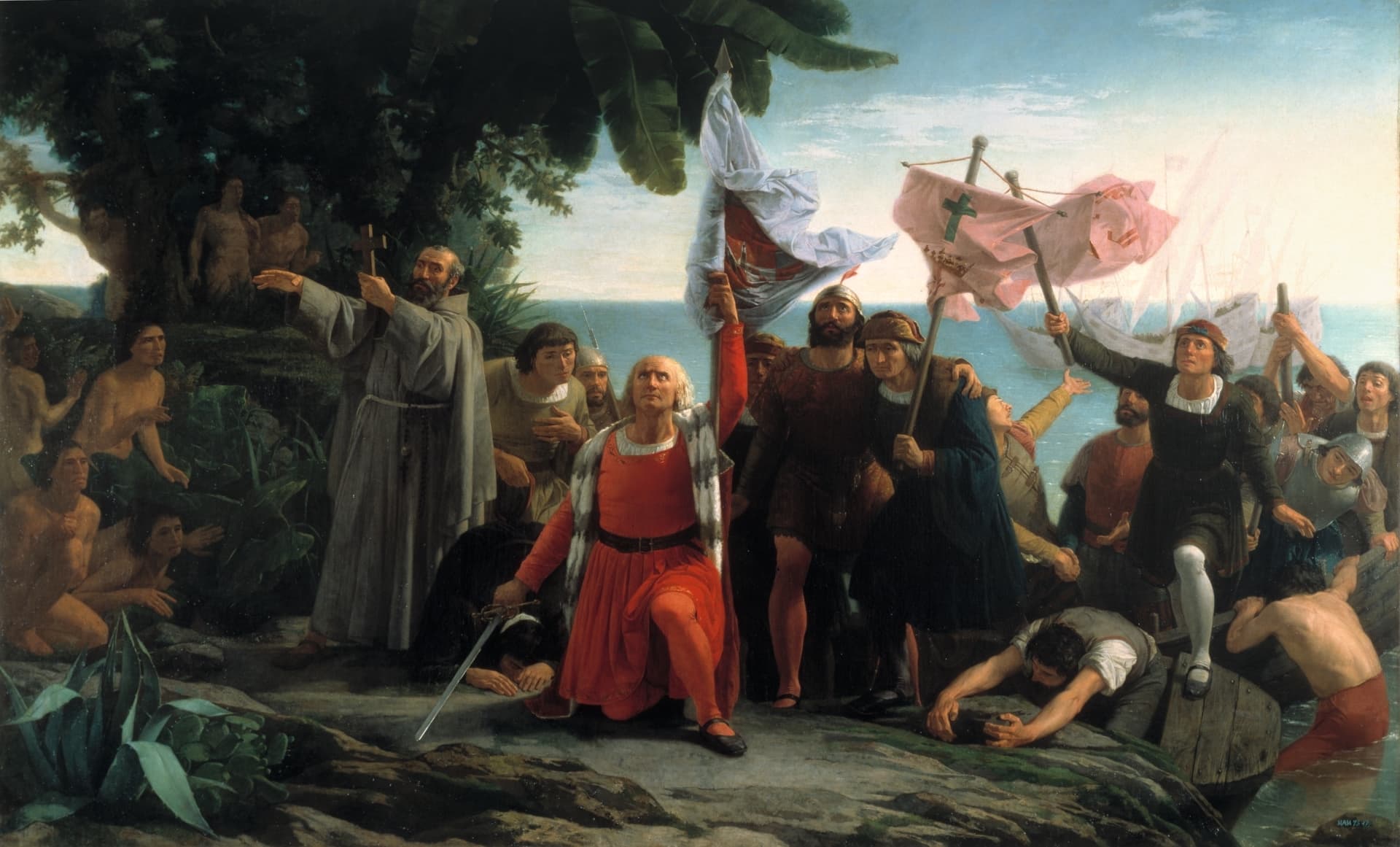
Cristóbal Colón y el descubrimiento del Caribe

1494

Christopher Columbus visits Bayahibe

On September 14th and 15th, Christopher Columbus sailed past this coast on his second voyage to the Americas. Columbus named the island Catalina in honour of the daughter of the King and Queen of Spain. His companion Miguel de Cunneo spotted a nearby island and called it Bella Savonese. The Taíno called it Adamanay. Over the centuries, that name softened into what we now call Saona. The fishermen who would one day make Bayahibe their home had not yet been born, but the sea they would inherit was already famous. It's possible that Columbus landed here at the port of Bayahibe, though historians have not reached a consensus.

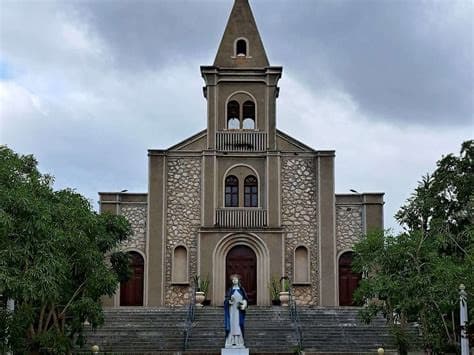
Iglesia Santa Rosa de Lima, La Romana

~ 1800

La Romana is established

The founding of La Romana as a town dates back to the early 19th century, though its name first appears on a map from 1785. La Romana grew around a sugar mill, and its port became a key point for exporting sugar, timber from Bayahibe, and other goods.

1874

Juan Brito, fundador de Bayahibe

Juan Brito and the founding of Bayahibe

Juan Brito and his brother Martín Brito set sail from Cabo Rojo, Puerto Rico, bound for the Dominican Republic on a sailboat. They landed here, and while Martín continued on to Santiago, Juan decided to stay. Señor Brito built his life in this place and founded Bayahibe. This cove was perfect: calm, sheltered, and generous. They built the first houses and cast the first nets. And so Bayahibe, the village, was born.

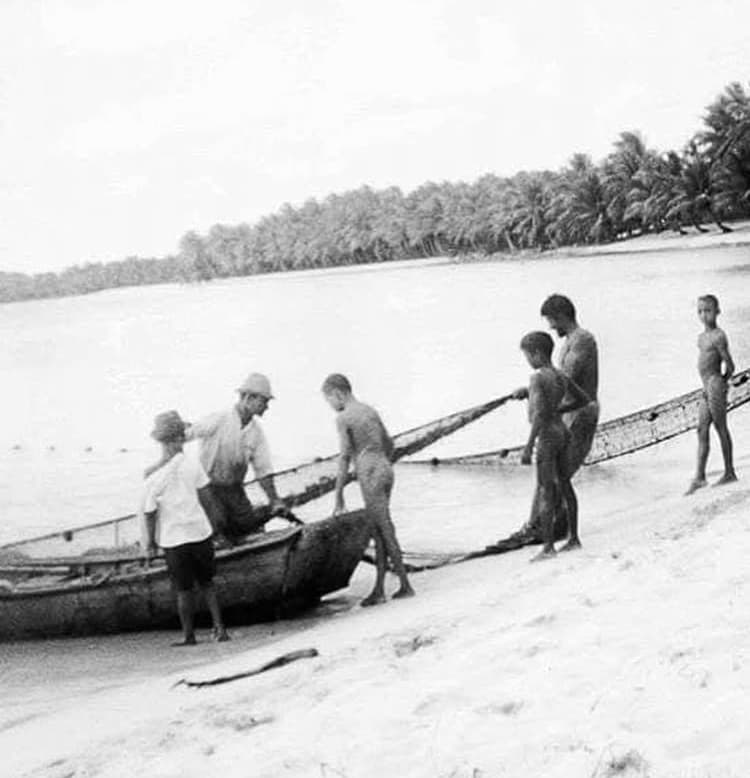
Pescadores en Bayahibe a principios del siglo XX

1900 – 1980

A fishing village

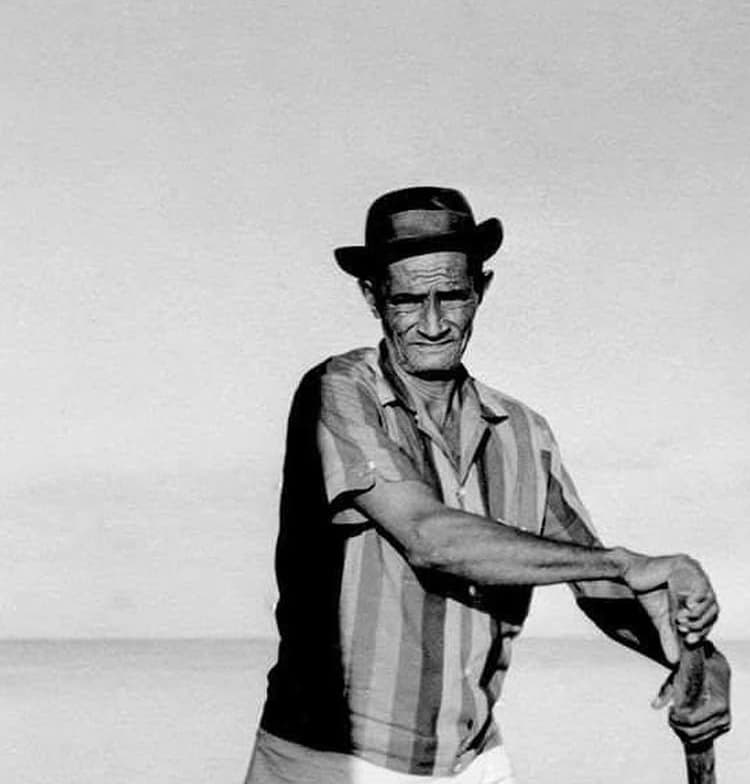
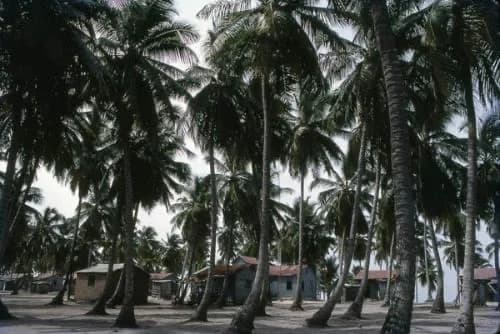
For nearly a century, Bayahibe changed very little. Nets dried in the sun and boats came and went with the tides. Fishermen travelled by boat to La Romana and San Pedro de Macorís to sell their catch. Children learned to read the sea before they learned to read books. The springs ran cold, the coral flourished, and everyone knew everyone. Life wasn't easy, but it was full.

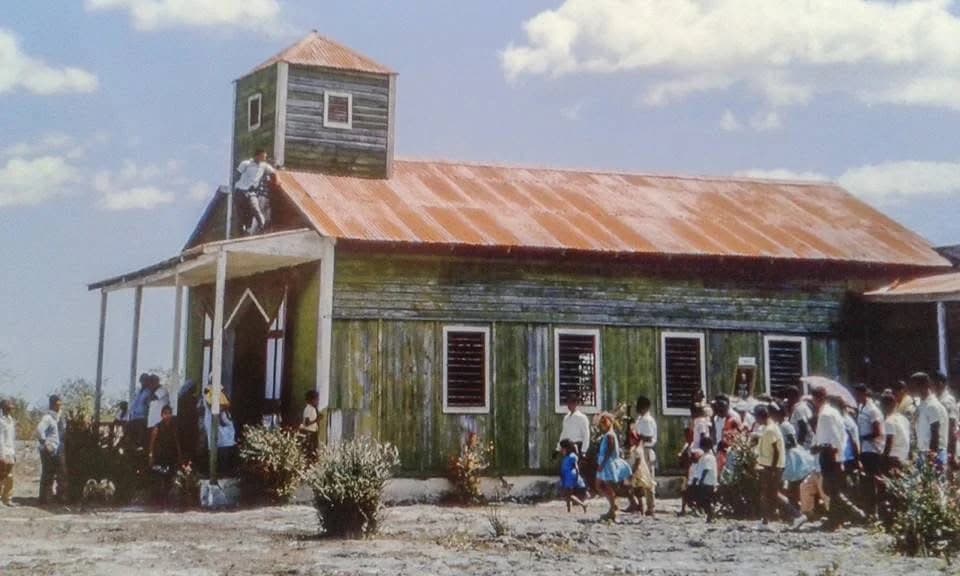
Iglesia La Divina Pastora en Bayahibe

1912

La Divina Pastora arrives by ship from Miami

In 1912, Bayahibe received its church. The wooden structure, funded by former president and archbishop Monsignor Nouel and built with timber brought from Florida, arrived in the village by sea and was installed on Punta Iglesia, the promontory overlooking the bay. It was consecrated on March 19th, 1925. From then on, La Divina Pastora became the patron saint of the village. Fishermen would invoke her before setting out to sea. Every year, during the patron saint festivities, her image is carried through the village in procession — sometimes by land and sometimes by boat, crossing the bay.

Mano Juan, el único centro habitado en el parque

1944

Trujillo settles 14 families in Mano Juan

On March 19th, 1944, President Rafael Trujillo settled 14 families in Mano Juan. Since then, Mano Juan has been the only inhabited settlement inside the park.

Parque Nacional Cotubanamá

1975

The Eastern National Park is established

On September 16th, 1975, President Joaquín Balaguer signed Presidential Decree 1311, establishing the Parque Nacional del Este. Then in 2014, the park was renamed Cotubanamá in honour of the Taíno chief who ruled this region at the time of Columbus's arrival. The park protects both land and sea, including Isla Saona, the coral reefs, mangroves, and fishing communities such as Mano Juan.

Viva Wyndham Dominicus

1975

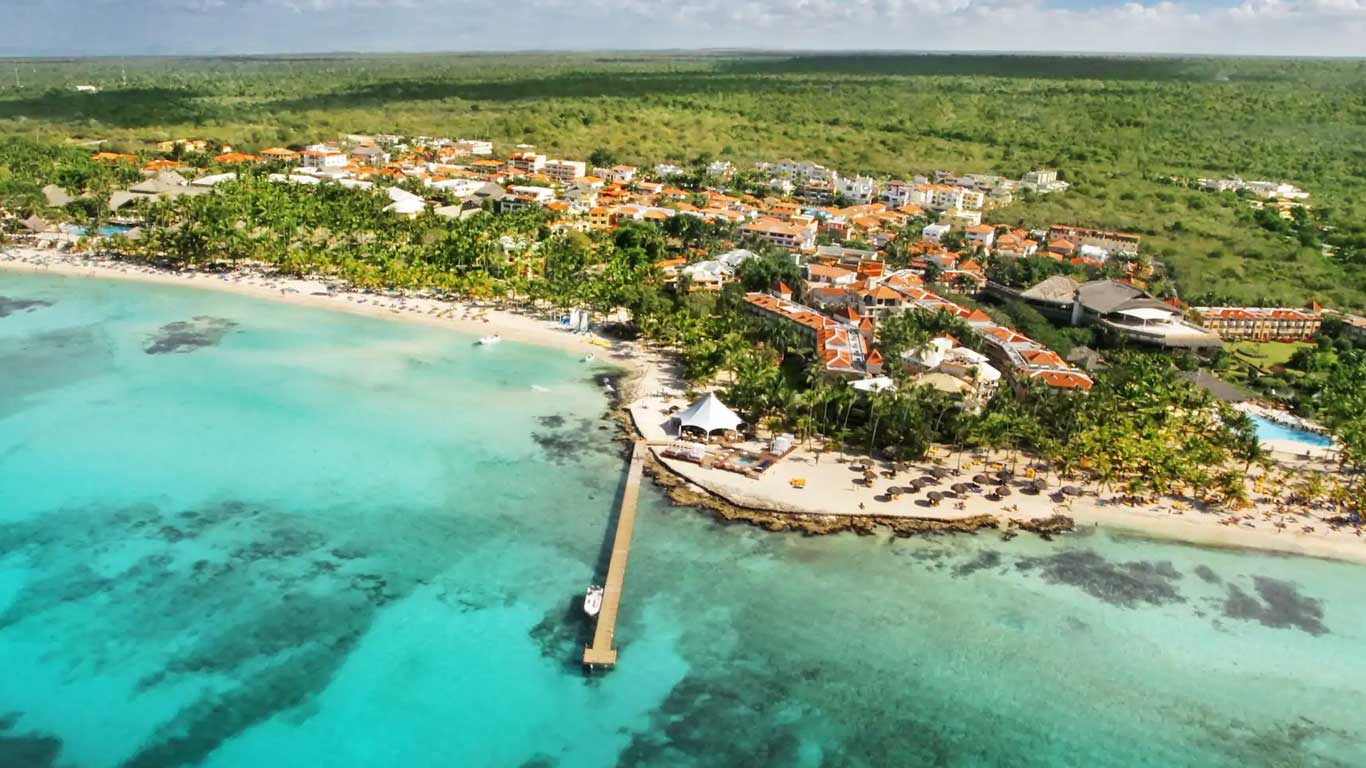
The highway arrives and the first resort opens

Bayahibe went for over a hundred years without a road connecting it to the rest of the country. It wasn't until 1975, with the development of the Viva Wyndham Dominicus hotel, that the access road was built. The hotel itself opened in December 1987.

1984

Edward Santana

I was born here

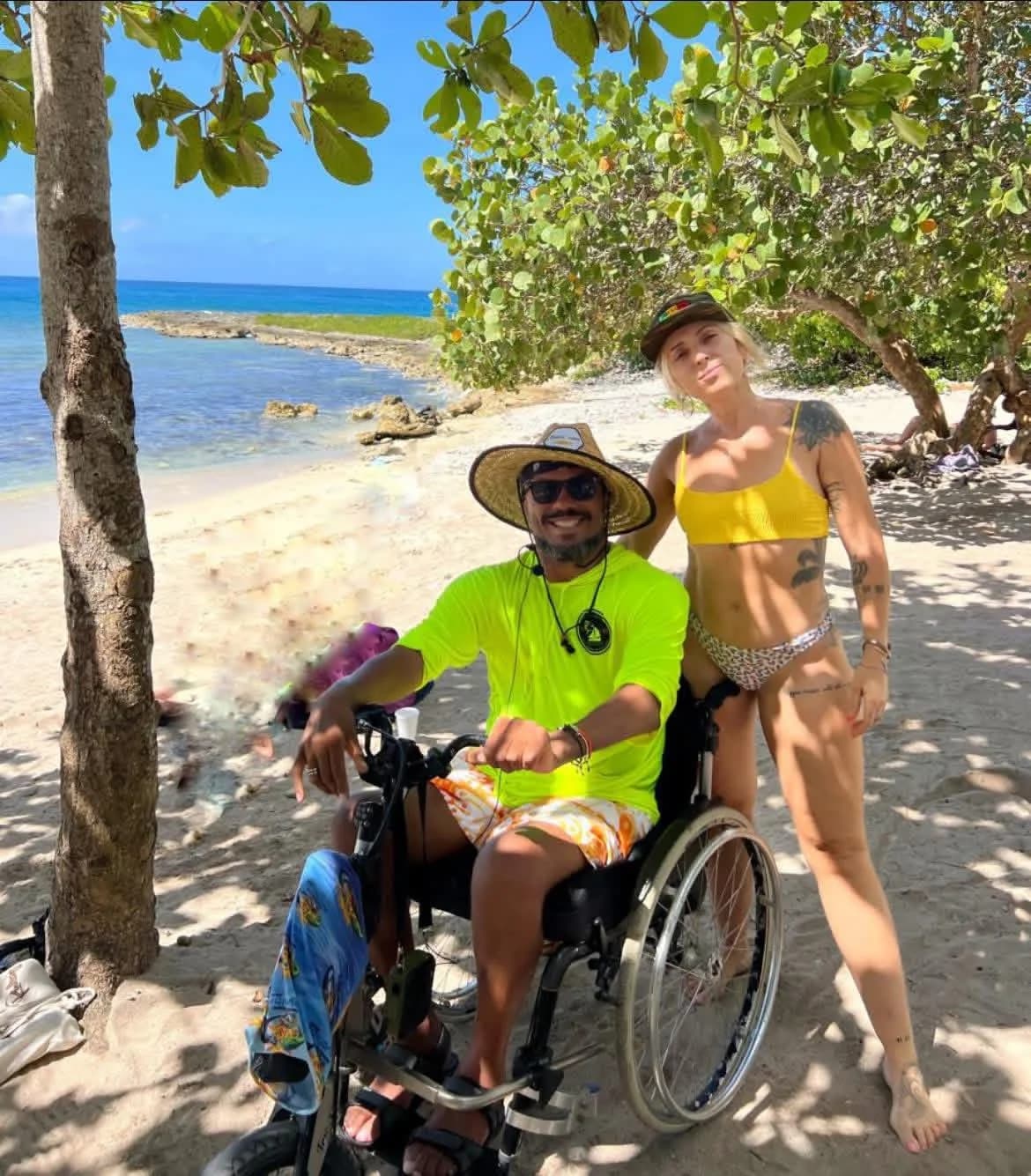
I was born in this village, on this shore, beside this sea. I grew up in the water: diving before school, fishing on weekends, listening to the elders tell stories that I eventually learned were true. Bayahibe made me who I am. Every tour I take you on is a piece of that upbringing.

See my excursions
Lanchas en la bahía de Bayahibe listas para las excursiones
Turistas disfrutando Bayahibe

1990

The world discovered what we already knew

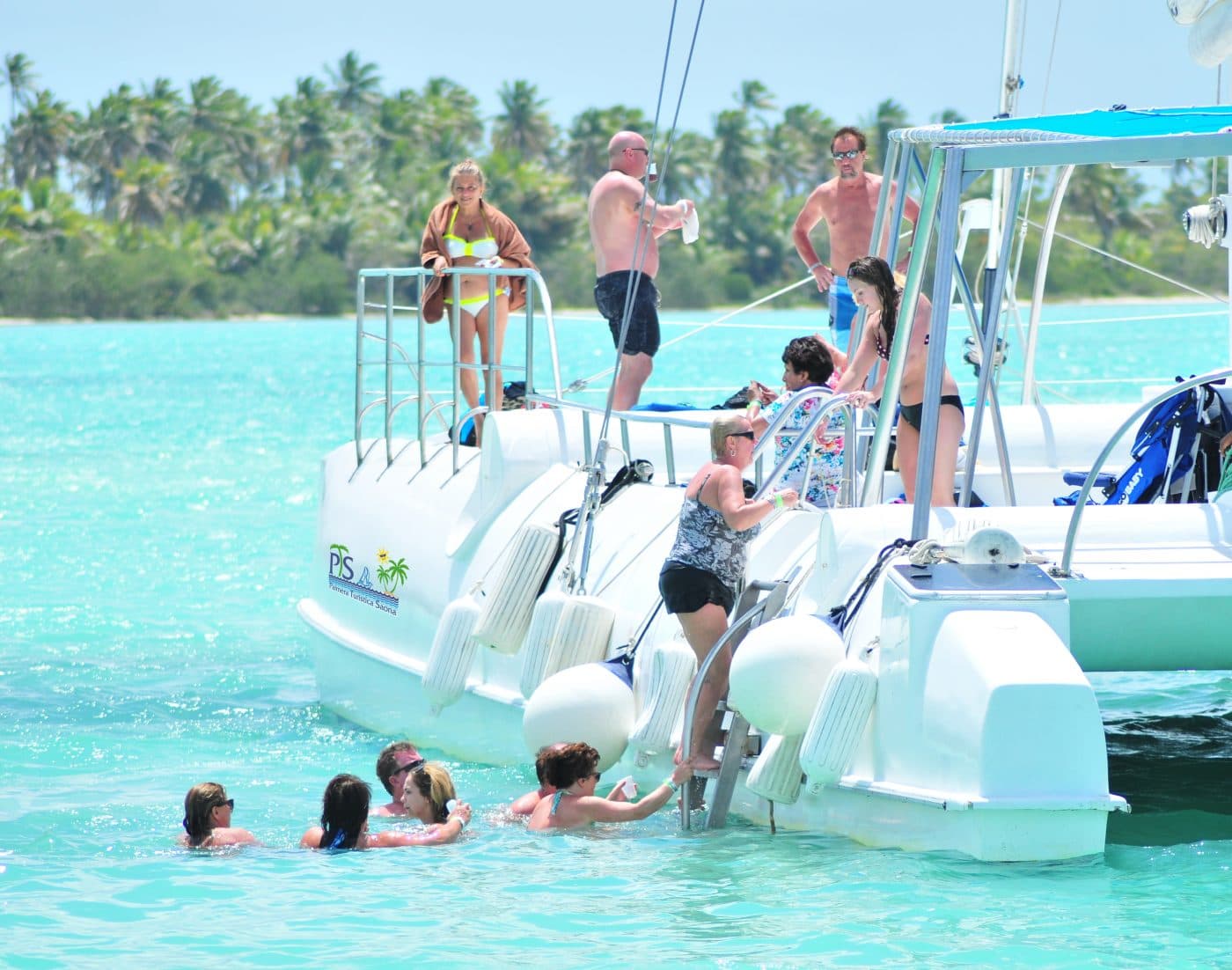
In the 1990s, the first organised excursions set off from our small bay: fishermen turned guides, boats that once carried nets now taking tourists to Saona and the reefs. Hotels arrived. The village grew. Some things changed. The sea did not.

Embarcadero de La Romana

2003

The first cruise ship arrives in La Romana

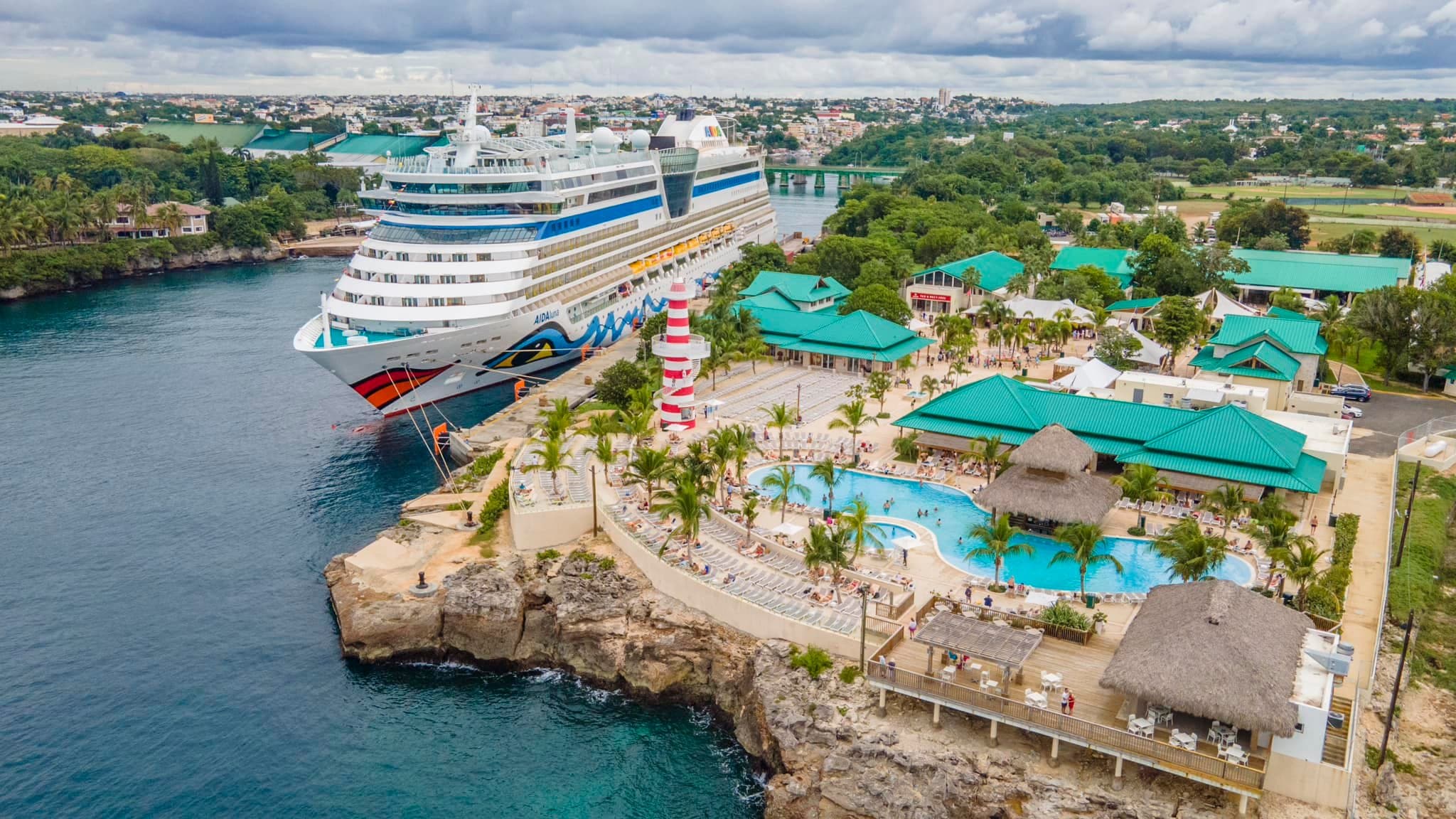
The first commercial dock was built in the early 20th century and was officially declared a port in 1851. But it was in 2003 that Central Romana Corporation opened the embarkation terminal that by 2024 had received 200,000 tourists.

La nueva Bayahibe en pleno desarrollo

2019

COVID brings cranes and concrete

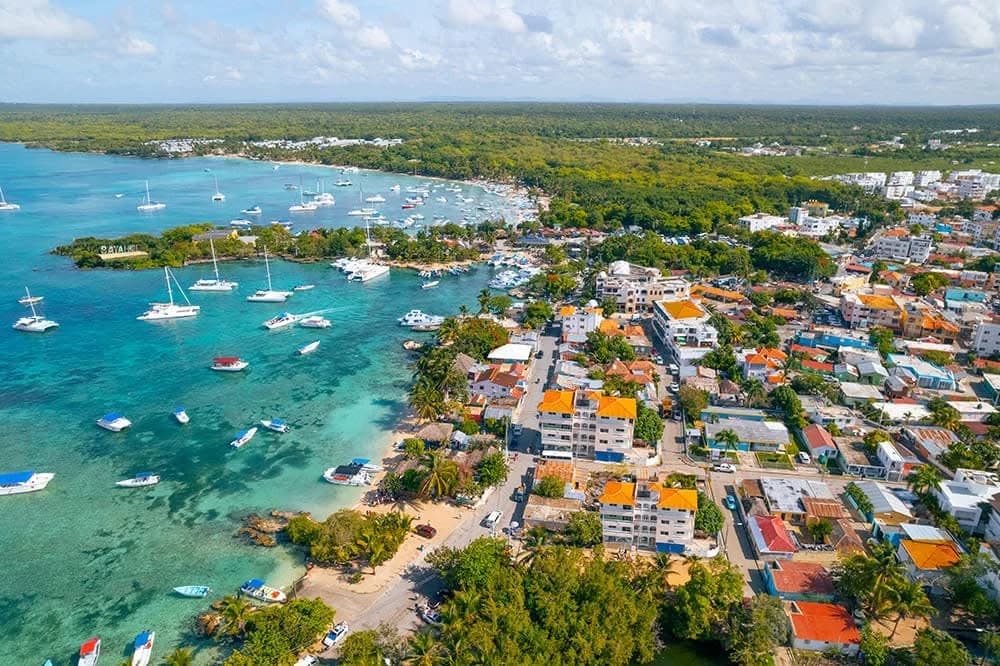
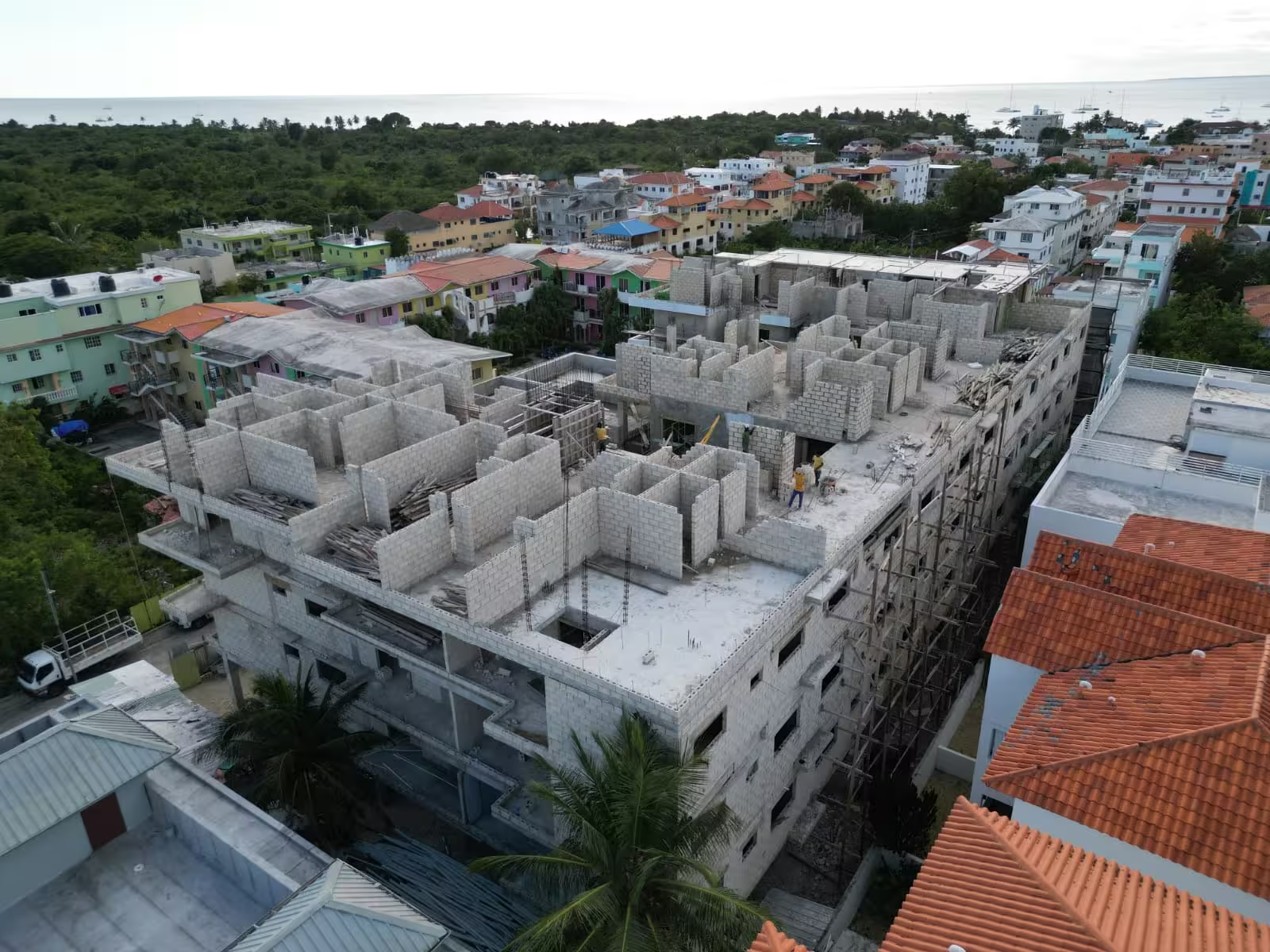
With COVID came silence. The docks emptied, the boats were tied up. But in that same silence, something else began: cranes, scaffolding, concrete. New hotels, condominiums, infrastructure that hadn't existed before. The world stopped, and Bayahibe transformed. Today the village I knew as a child has a different skyline. There are more options, more people, more movement. What hasn't changed is the reason everyone wants to be here.

Today

And the story goes on

Bayahibe is still the same village it's always been — same sea, same stories. Let me introduce it to you in person.

Message me on WhatsApp